.svg)


A firm capacity contract replacing a volatile interconnection.

Client
Port of Sundvik
Sector
Industrial
Scope
1.1 GWh distributed BESS
Region
Nordics
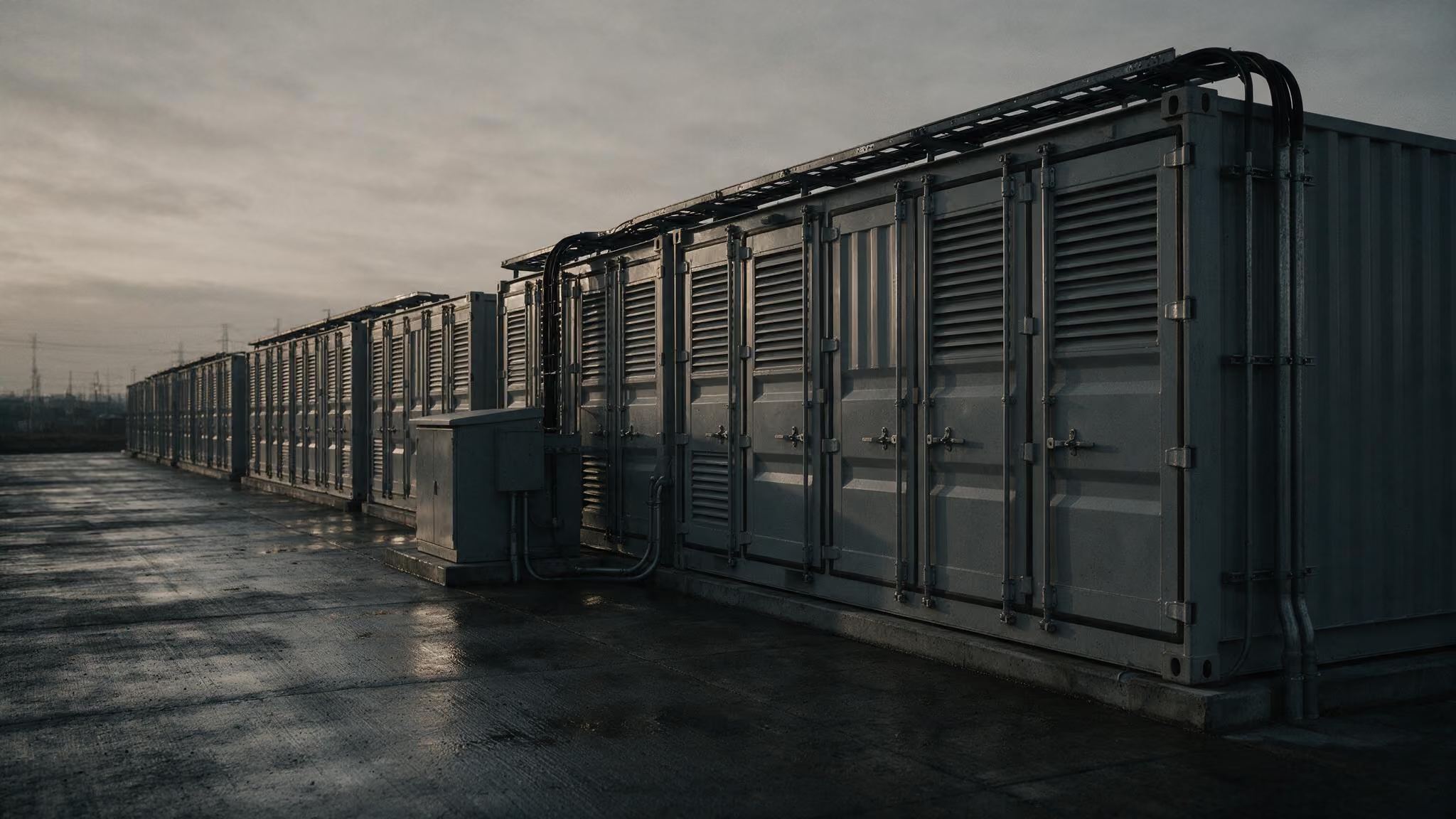
Crane peaks and shore power collided on one weak feeder.
Berth electrification added a step load on top of container handling, on a connection already at its limit. The tariff exposed the terminal to peak charges it could not schedule around, and network reinforcement was years out.
Every additional vessel on shore power made the exposure worse. Growth and the supply agreement were pulling in opposite directions.
A structured, modular framework.
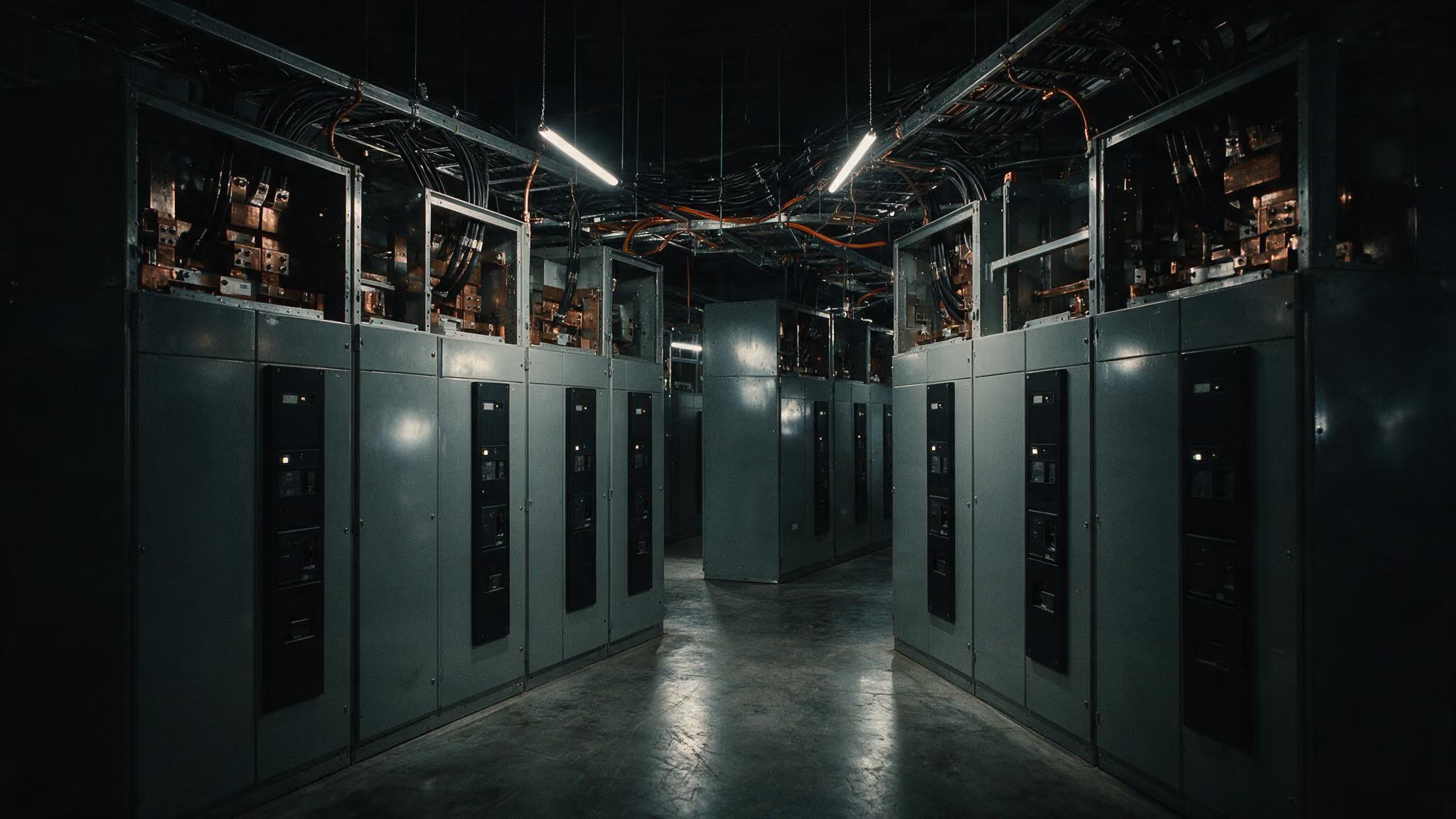
Storage was placed behind the meter and sized against measured crane duty cycles and vessel turnaround, not against connected load. Sizing to the real cycle is what makes the contract bankable.
What the terminal buys is a schedule: a fixed capacity figure over twenty years, with the volatility absorbed on our side of the meter and the settlement published monthly.
From complexity to measurable impact.
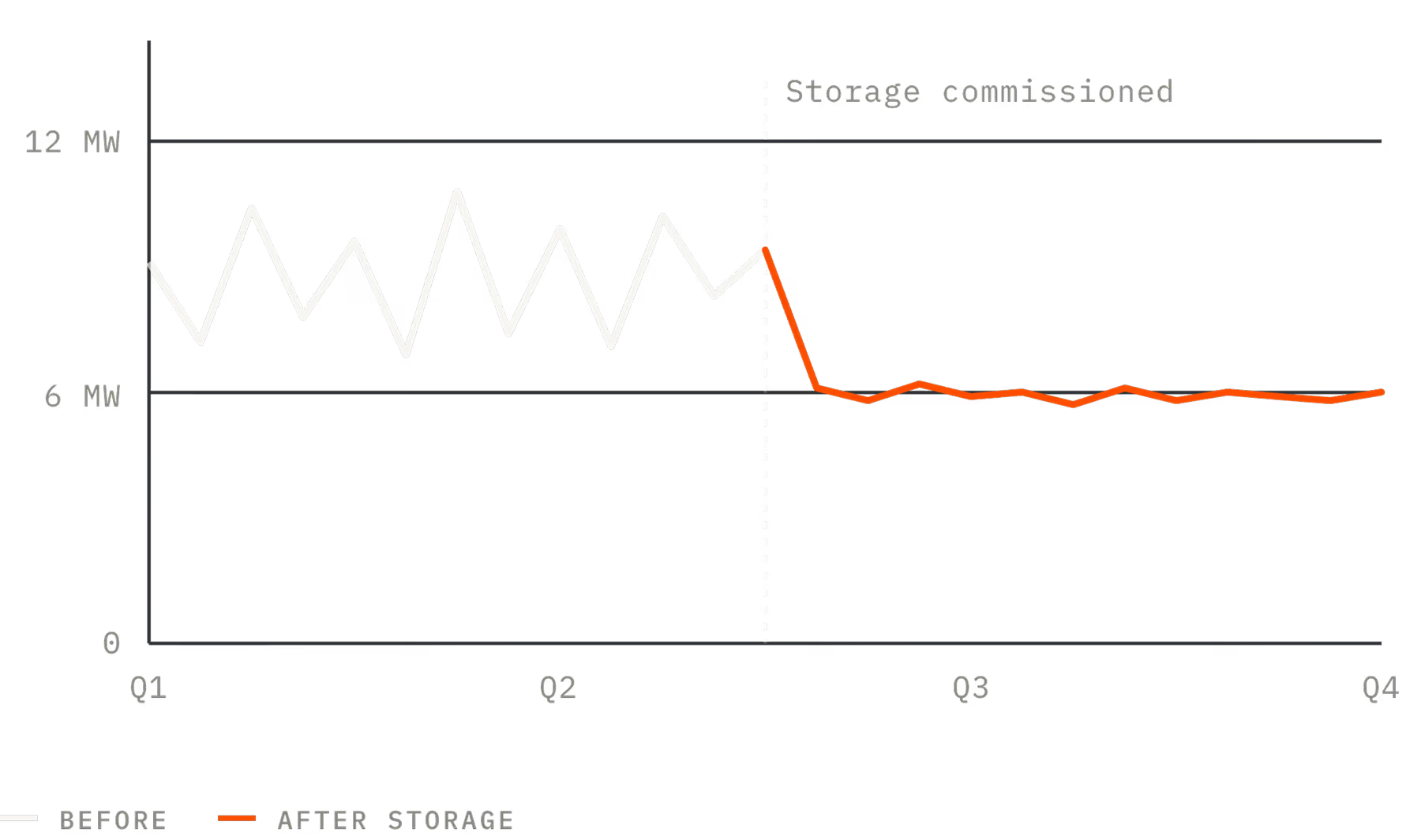
1.1 GWh was funded and commissioned inside eleven months. Peak demand fell 42%, no reinforcement request was filed, and shore power now runs on the connection that was previously the constraint.
Capacity that compounds.
With the feeder no longer binding, the berth plan sets the pace of electrification. The same contract structure now covers two further terminals on the same tariff.