

.svg)


Five gigawatts of AI UPS™, energised in fourteen months.

Client
Helix DC
Sector
Hyperscale AI
Scope
5 GW AI UPS™
Region
Americas
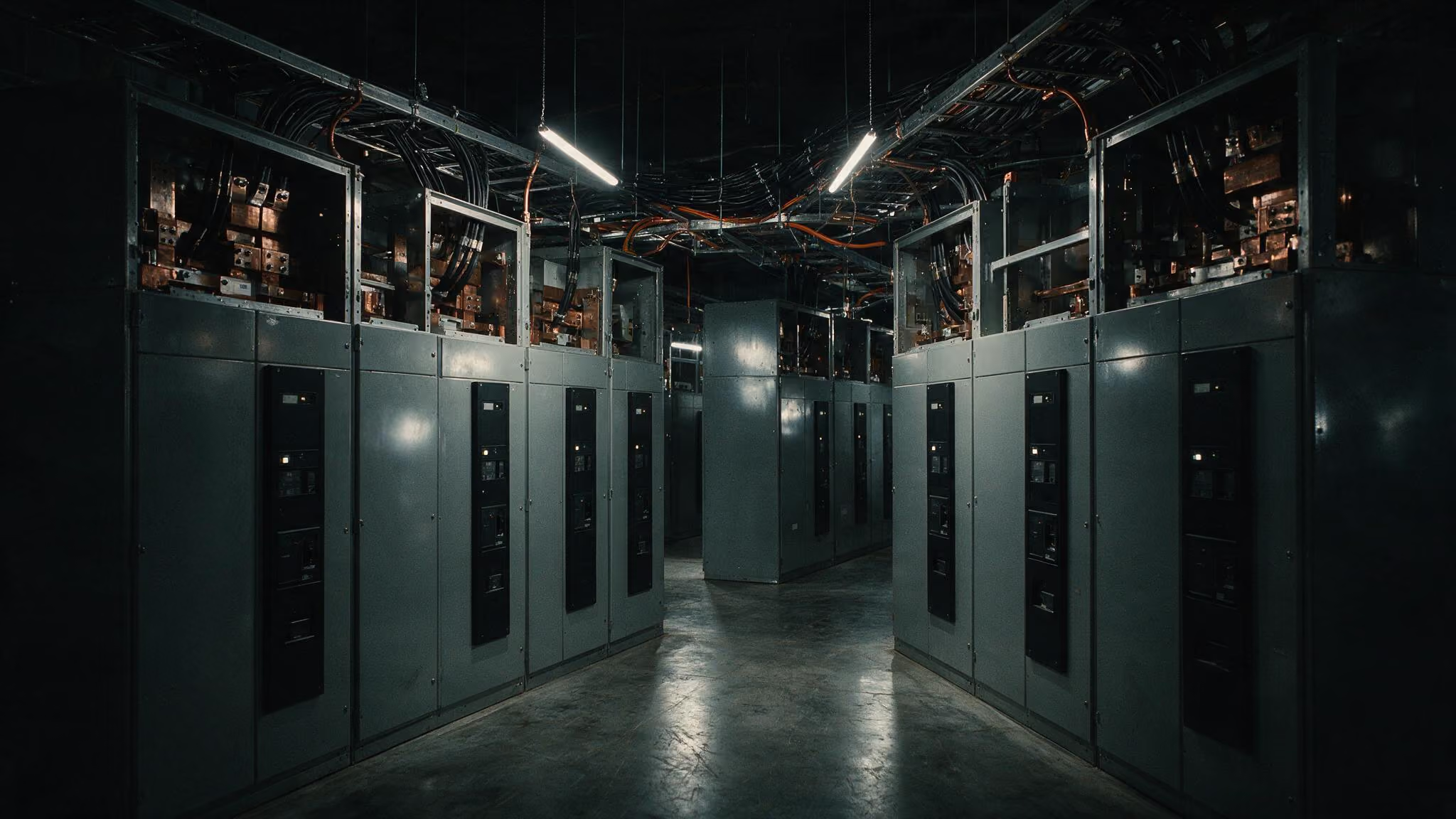
Compute density had outgrown the power design beneath it.
Hyperscale GPU campuses draw in steep, concentrated steps. Conventional low-voltage protection sat too far downstream to catch a disturbance before it reached the hall, and the utility saw a load profile it could not model against its own planning assumptions.
The exposure ran both ways. A campus that trips is a stranded capital event; a campus that destabilises its own interconnection becomes a permitting problem for every project behind it in the queue.
A structured, modular framework.
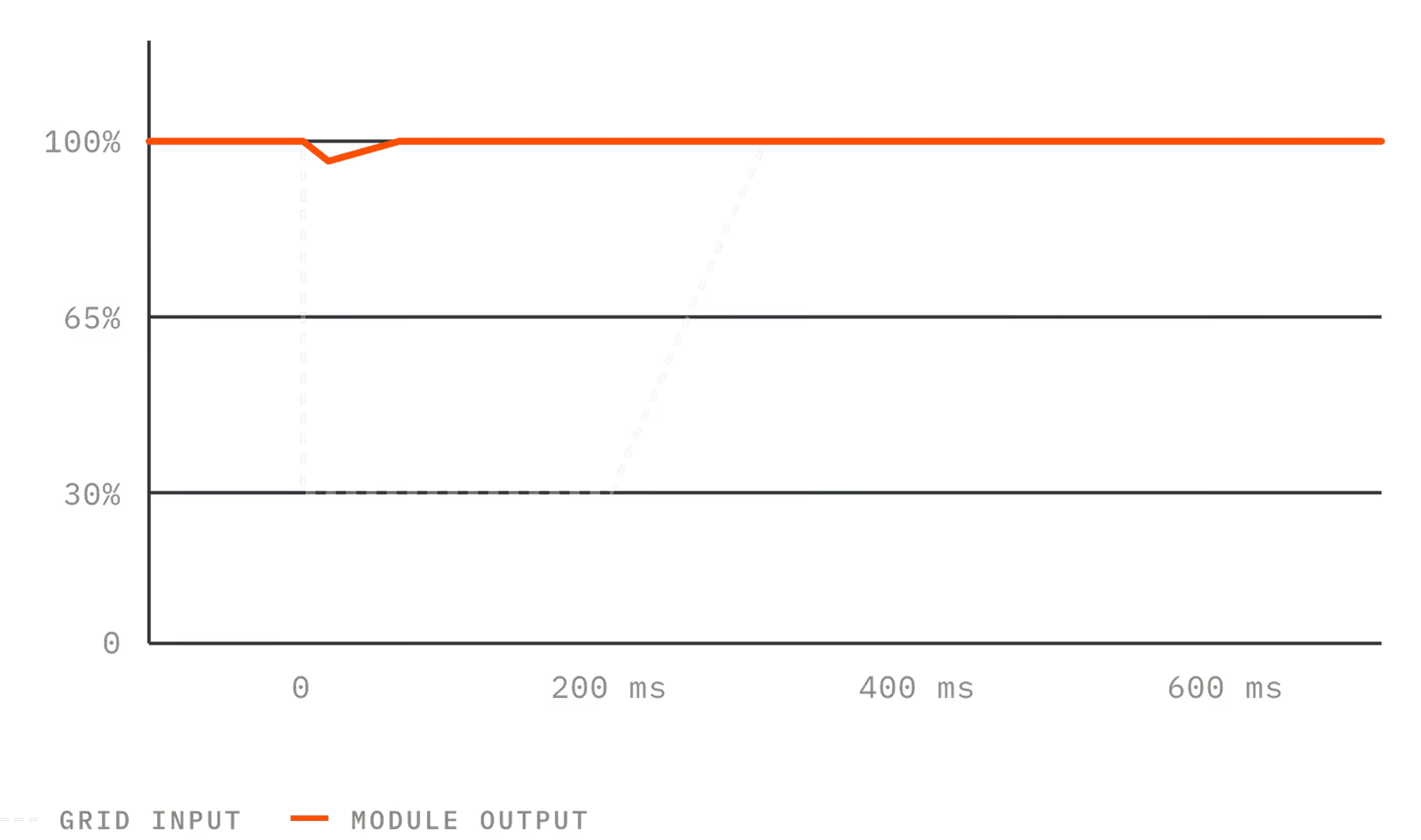
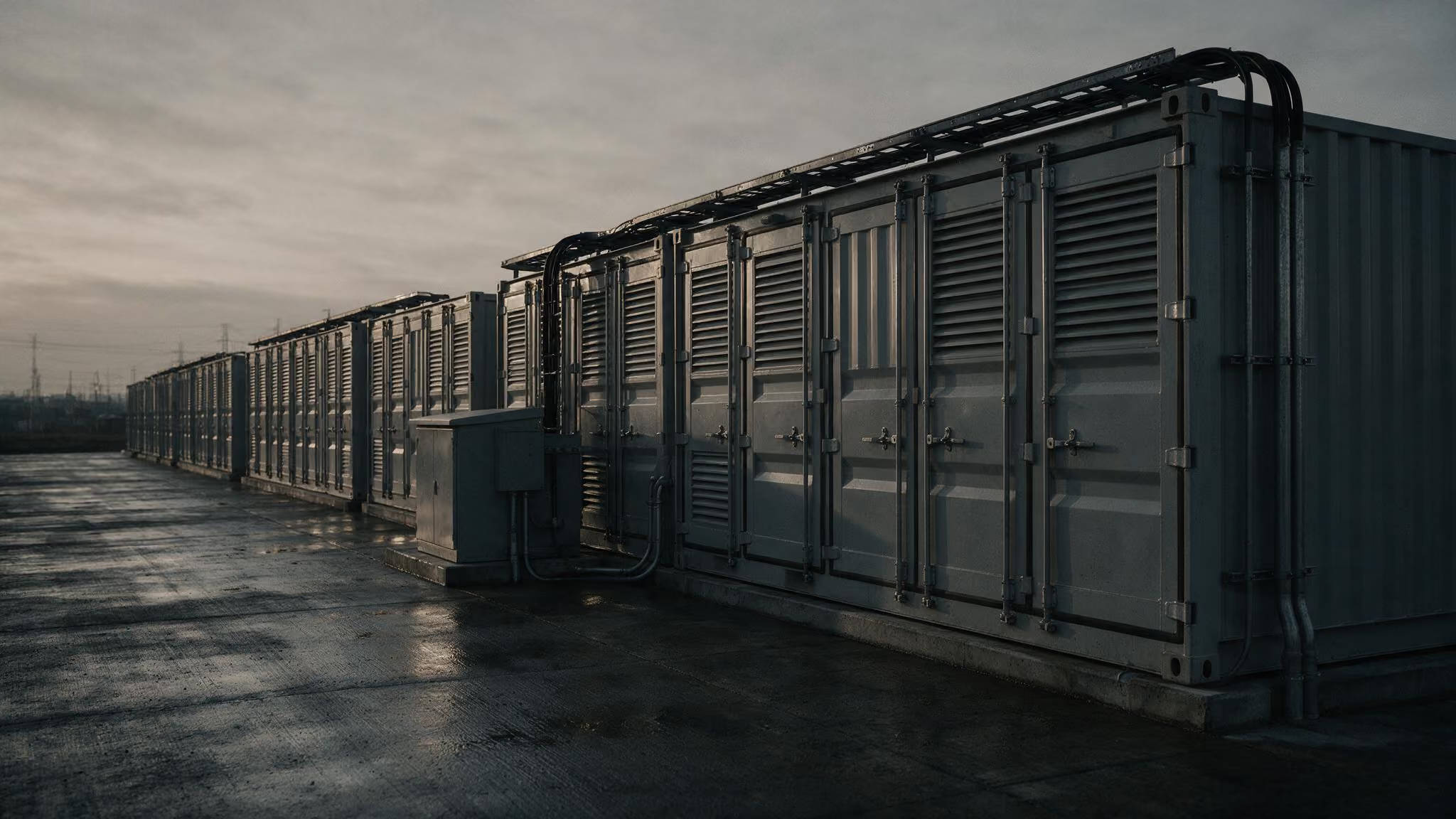
AI UPS™ modules were placed between the utility and the hall rather than downstream of it, so disturbance is absorbed in both directions: grid-safe on the supply side, waveform-clean where the compute actually draws.
Delivery ran as repeated identical phases rather than one bespoke build. Modules leave owned plants on a schedule, commission against a fixed test protocol, and hand over to a dispatch desk that holds the setpoint from the first energised megawatt.
From complexity to measurable impact.
Across two hyperscale halls the fleet has run without a derating event. Waveform is corrected in 380 ms at P95, with no transfer the load can feel, and every figure below is read at the bus under load rather than modeled from a datasheet.
Capacity that compounds.
The engagement now sets the reference design for subsequent campuses. Owned manufacturing turns the next phase into a schedule rather than a queue position, and the published test protocol travels with it.